
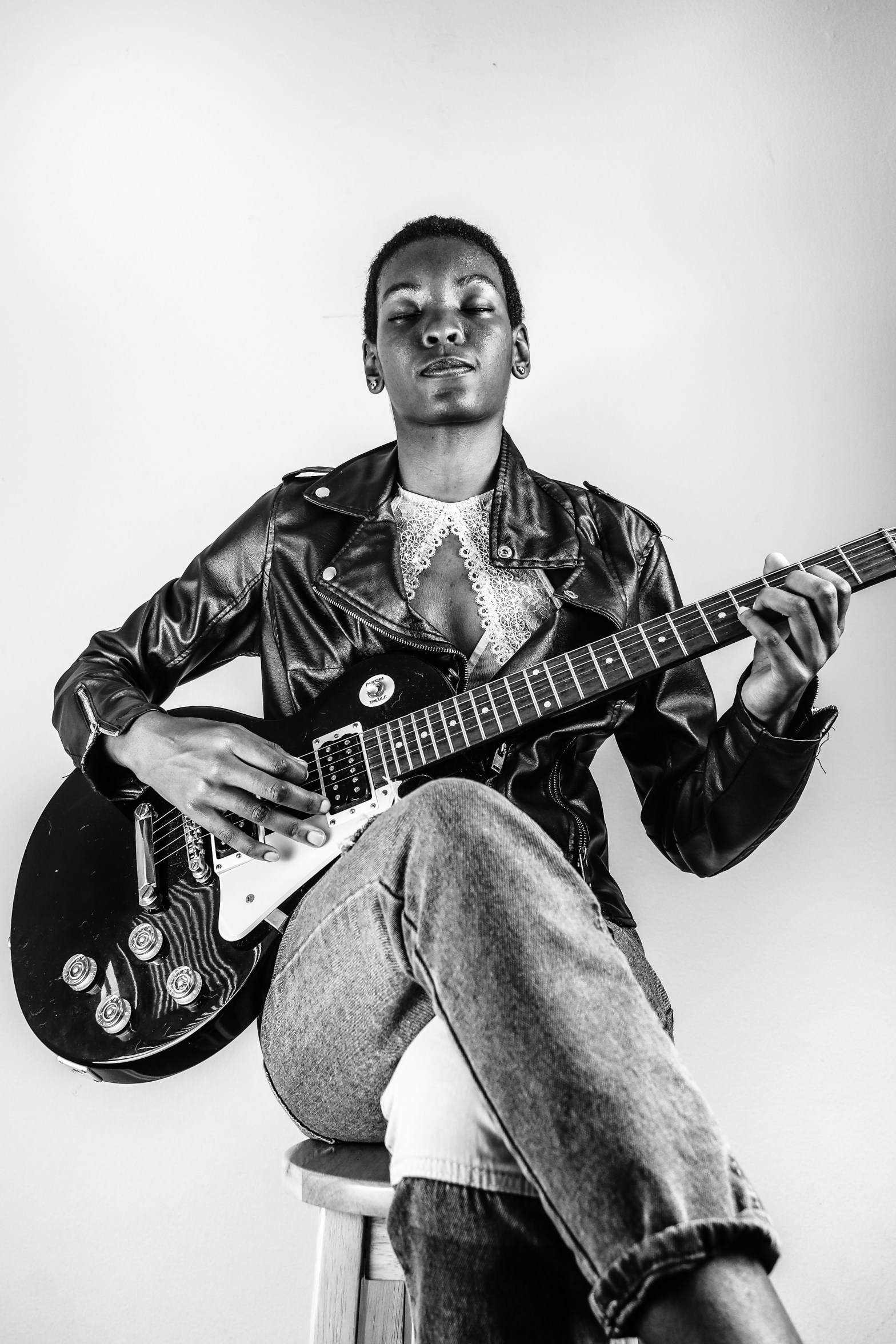
Black Girl Memoir – March 2025
A few days after International Women’s Day, we want to highlight the fact that the music industry, despite its apparent appearance of diversity, struggles with persistent gender and minority representation challenges. This leads to several issues:
Gender Imbalance:
- Producers and Engineers:
- Women are severely underrepresented in these crucial technical roles. Data consistently reveals a sharp disparity. For instance, the “USC Annenberg Inclusion Initiative” found that only 2.8% of producers across 400 popular songs (2012-2019) were women.
- Reports indicate that in audio engineering, the percentage of women is often estimated to be below 5%, meaning less than 5 out of every 100 audio engineers are women.
- Artists:
- While female artists have a more visible presence, they still encounter significant disparities in recognition, compensation, and how they are portrayed within the industry. Studies analyzing Billboard charts have shown that female artists often receive fewer nominations for major music awards compared to male artists, with some years showing female nominees as low as 10-20% in certain categories.
- BookMoreWomen.com directly highlights this deficit through amazing visuals, acting as a resource to striking facts such as the 2024 data stating that less than 25% of the musicians on stage at major US music festivals were women and only 1.2% non-binary.
- Reports on pay disparity indicate that female artists can earn significantly less than their male counterparts for equivalent work, with some estimates suggesting a pay gap ranging from 10% to 30% or more.
- Executives:
- Leadership positions within record labels and music companies remain overwhelmingly male-dominated, perpetuating existing power structures. Research reveals that women hold a small percentage of top executive positions, often below 20% in major record labels and music companies.
Minority Challenges:
- Representation:
- While genres like hip-hop and R&B are driven by Black artists, representation across other genres and industry roles remains uneven.
- Latinx and Asian artists face significant obstacles in achieving mainstream recognition in numerous musical genres.
- Music Festivals:
- Minority artists are often underrepresented in music festival lineups. Studies analyzing major music festival lineups have shown that Black artists, for example, often represent less than 10% of headliners, even in festivals featuring genres rooted in Black musical traditions. Some festivals have been seen to have less than 5% minority artist representation.
- Latinx and Asian artist face similar underrepresentation.
- Behind-the-Scenes Roles:
- Similar to gender disparities, minority groups are significantly underrepresented in roles such as producers, engineers, and executives. Data suggests combined minority representation in these roles is likely well below 10%.
- Genre Bias:
- Genres created by minority groups often face underfunding and limited marketing support, hindering their reach and impact. Independent labels specializing in genres like jazz, blues, and world music, which often feature minority artists, frequently report significantly lower funding and marketing budgets compared to major labels focusing on mainstream pop and rock.
The main contributing factors are often reported as systemic biases and stereotypes, limited access to education and mentorship, discrimination and harassment and unequal pay and career advancement.
Addressing the issue: While challenges persist, initiatives aimed at promoting diversity and inclusion are gaining momentum such as BookMoreWomen, She Said So, Keychange or Femnoise, that are helping to connect people with qualified women.
References:
- USC Annenberg Inclusion Initiative: annenberg.usc.edu
- BookMoreWomen.com
- Studies related to music festival diversity can be found by searching terms such as “music festival diversity report” or “minority artist festival lineups.”
 Music360